Best Webflow Agencies for Cybersecurity Companies (2026)

%201.avif)
Key Takeaways
- Cybersecurity websites need to build trust instantly, not just explain features. Credibility, clarity, and proof matter more than visuals.
- The best Webflow agencies for cybersecurity companies know how to simplify complex technical messaging without losing depth.
- A strong site should clearly communicate what you do, who you help, and why you’re different within seconds.
- Webflow is a strong fit for cybersecurity brands because it offers secure infrastructure, clean code, and enterprise-grade hosting standards.
- Agencies experienced in B2B and high-consideration industries deliver better results than design-first studios.
- Good cybersecurity websites balance technical depth with accessibility, helping both technical buyers and business stakeholders understand the value.
- The right agency doesn’t just redesign your site, it helps position your brand to win trust, shorten sales cycles, and attract better leads.
Cybersecurity companies face a design paradox: their products are deeply technical, but their websites must communicate clearly to buyers who aren’t security engineers. A CISO or security leader evaluating a new platform is looking for immediate signals of credibility, what the product protects against, how it works, and whether the company behind it can be trusted.
That’s why cybersecurity websites can’t rely on aesthetics alone. Dark “cyber” visuals and terminal-style graphics might look on-brand, but they don’t help buyers understand the product. What actually drives conversion is clear messaging, visible trust signals, and a structure that helps technical buyers quickly grasp the platform’s value.
In this guide, we’ve curated the best Webflow agencies for cybersecurity companies in 2026, teams that understand how to present complex security platforms while maintaining clarity, credibility, and strong conversion architecture for enterprise buyers.
What cybersecurity companies need from a web design agency
Cybersecurity buyers behave differently from buyers in most other software categories. They evaluate vendors with a high degree of skepticism, and small signals: vague messaging, weak product explanations, or generic design can immediately reduce trust. That means the role of a website is not just to look polished but to communicate credibility and clarity from the first interaction.
1. Buyers are highly skeptical
Security leaders are trained to question everything. When they land on a website, they’re quickly assessing whether the company actually understands the threat landscape and the environments they operate in. If messaging is vague, overly buzzword-heavy, or unclear about what the product protects against, buyers lose confidence immediately.
A good cybersecurity website helps visitors answer three questions within seconds:
- What threat does this product protect against?
- Who is it built for?
- How does it fit into an existing security stack?
If those answers aren’t obvious, conversion drops quickly.
2. Trust signals must be built into the structure
For cybersecurity companies, credibility signals aren’t decorative elements added at the end of the design process, they’re part of the site’s architecture.
Security buyers actively look for signals like:
- Compliance certifications (SOC 2, ISO 27001)
- Enterprise customer logos
- Case studies showing real deployments
- Mentions from analysts or security publications
These signals need to appear near product explanations and conversion points, not buried on a separate page. The website should continuously reinforce that the company is trusted by real organizations handling sensitive infrastructure.
3. “Cyber” aesthetics aren’t required
A common mistake in cybersecurity design is leaning too heavily on visual clichés: dark interfaces, green terminal text, and abstract hacker graphics.
Some of the best cybersecurity companies instead use clean, structured design with strong hierarchy and readability. Companies like Wiz, Snyk, Cloudflare, and Abnormal Security show that clarity and usability often outperform stereotypical “cyber” styling.
The goal is to make complex technical products easier to understand, not harder.
4. The website must support a content operation
Cybersecurity companies publish content constantly. Threat research, vulnerability reports, product updates, and technical blogs are core parts of their marketing strategy.
That means the website must be designed with strong CMS infrastructure from the start. Marketing teams should be able to publish:
- Threat intelligence reports
- Research blogs and analysis
- Product documentation and release notes
- Resource libraries and webinars
Agencies experienced with cybersecurity companies typically structure the website so content can scale without creating technical bottlenecks.
In short, the best cybersecurity websites balance technical credibility, clear communication, and long-term content scalability and the right web design agency understands how to build all three into the foundation of the site.
Quick comparison
Not all Webflow agencies approach cybersecurity websites the same way. Some specialize in enterprise SaaS messaging and conversion architecture, while others focus more on brand identity, motion design, or complex technical builds.
The table below provides a quick comparison of the agencies covered in this guide and how they typically approach cybersecurity website projects.
Each of these agencies brings a slightly different strength to cybersecurity website projects. In the sections below, we’ll break down when each agency is the right fit, what they’re best known for, and the types of security companies they tend to work with most often.
The 6 best Webflow agencies for cybersecurity companies
Not every Webflow agency is equipped to build effective cybersecurity websites. Security products are complex, the buyers are highly technical, and the sales cycles are long, which means the website needs to balance technical credibility, clear messaging, and strong conversion structure. The agencies listed below stand out because they understand these dynamics. Some specialize in enterprise B2B SaaS messaging, others excel at complex Webflow builds or brand-led design, but each has strengths that can work well for cybersecurity companies depending on their stage and goals.
1. Amply
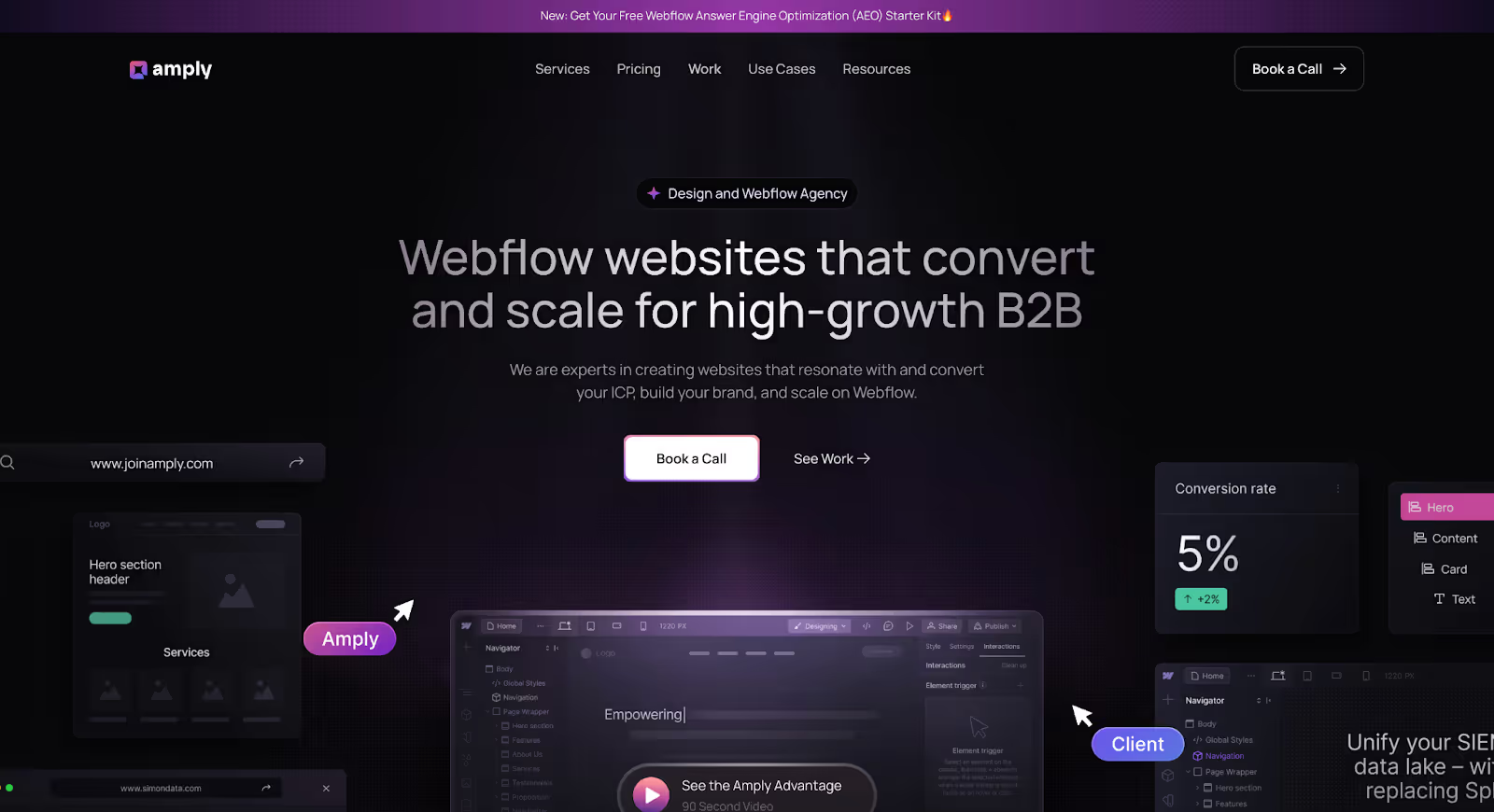
Amply is a Webflow agency focused on B2B SaaS companies with complex, enterprise-focused products. Their approach combines clear messaging, structured design, and conversion-focused execution, making them a strong fit for cybersecurity companies where credibility and clarity are critical.
Cybersecurity platforms often require careful explanation, what threats they protect against, how they integrate into existing systems, and why buyers should trust them. Amply’s work focuses on simplifying this complexity into clear, buyer-focused narratives that resonate with both technical and non-technical stakeholders.
They’ve worked with security and infrastructure companies like Anvilogic, Priam Cyber AI, and Blackbird IT, building websites that communicate product value while integrating trust signals like certifications, customer proof, and case studies directly into key pages.
Their builds also support content-heavy workflows including threat reports, research blogs, and resource libraries with scalable CMS systems, making them well-suited for cybersecurity companies with ongoing content and longer sales cycles.
Best for
- Security SaaS companies
- MDR / EDR / XDR platforms
- Compliance and governance tools
- Identity and access security platforms
- Cybersecurity companies selling to enterprise buyers
2. BX Studio
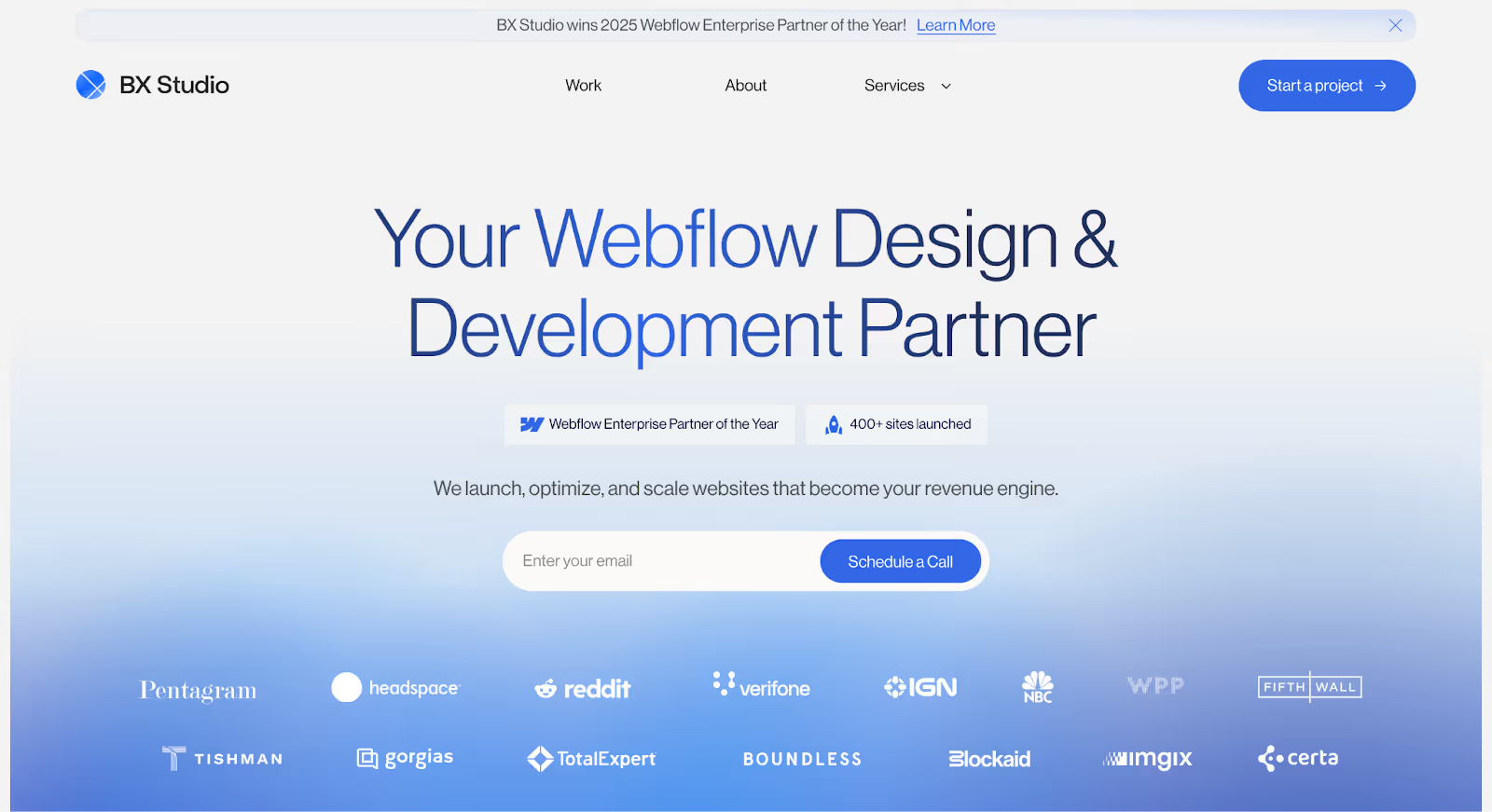
BX Studio is a design agency focused on creating clean, structured websites for B2B and technology companies. Their work emphasizes clarity, consistency, and polished execution, making them a strong fit for cybersecurity brands that need to project trust and maturity.
Cybersecurity buyers are highly skeptical, and overly complex or flashy design can reduce credibility. BX Studio’s approach focuses on simple layouts, strong hierarchy, and clear navigation, helping security companies present complex products in a way that feels stable and easy to understand.
Their work typically prioritizes readability and structure over visual experimentation, ensuring that messaging, product information, and trust signals are easy to access across the site. This helps reinforce confidence with enterprise buyers evaluating security vendors.
As a result, BX Studio is a good fit for cybersecurity companies that want a reliable, professional website that communicates credibility without over-engineering the experience.
Best for
- Cybersecurity companies wanting a mature, credible brand presence
- Security vendors targeting enterprise buyers
- Companies that prefer clean, structured design
3. Veza Digital
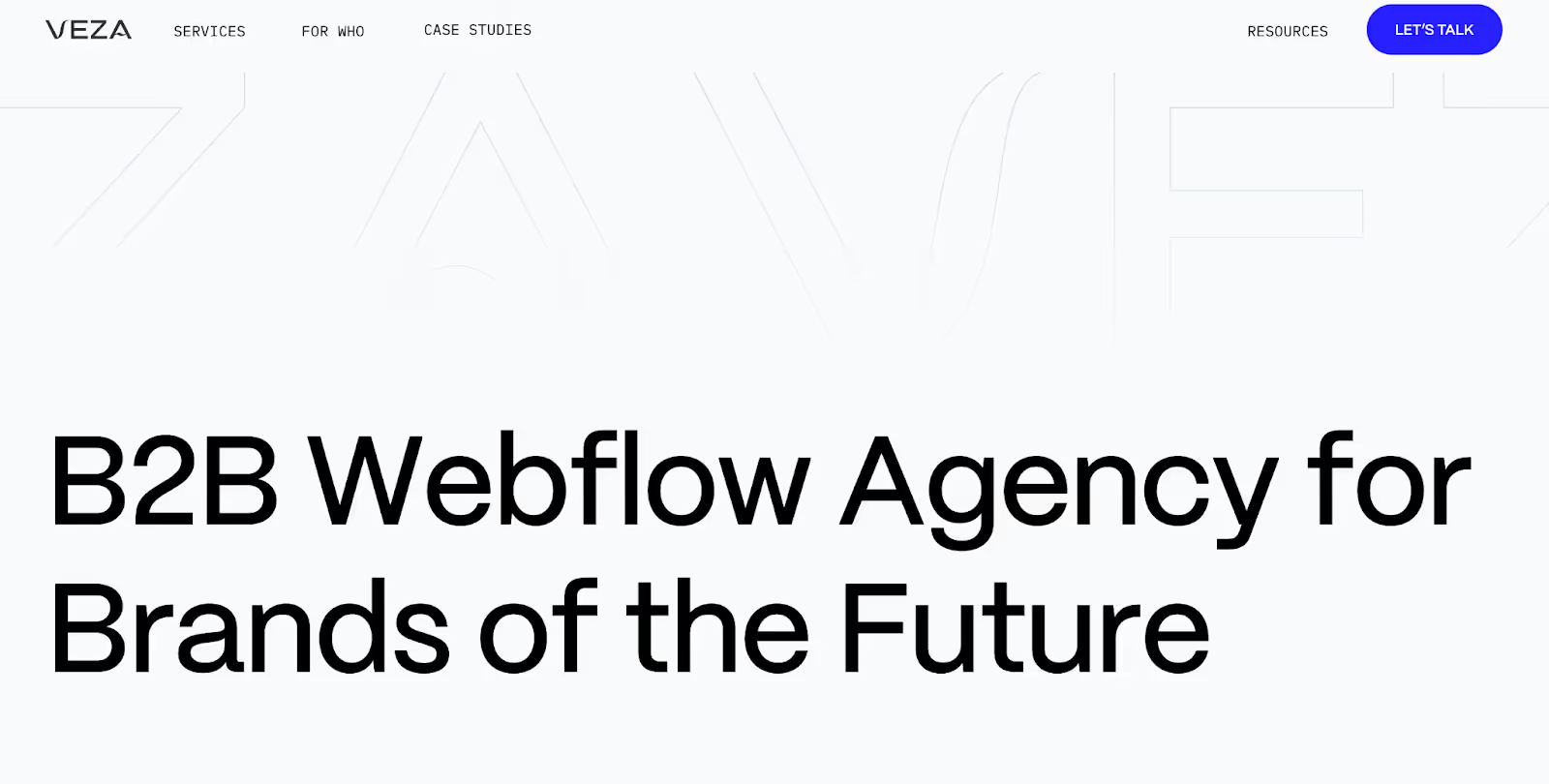
Veza Digital is a Webflow agency that works with B2B SaaS companies to build performance-driven websites focused on growth and lead generation. Their approach combines design, development, and marketing strategy to turn websites into measurable revenue channels.
For cybersecurity companies, this is especially valuable when the goal is not just to inform but to convert traffic into demos, signups, or qualified leads. Veza approaches website projects with a strong CRO mindset, focusing on how users move through the site and where conversions happen.
Their work often includes building landing page systems, optimized user journeys, and experimentation frameworks that allow marketing teams to test messaging and continuously improve performance. This is particularly useful for security companies running paid campaigns or scaling demand generation.
As a result, Veza Digital is a strong fit for cybersecurity companies that want their website to function as a growth engine, rather than just a brand presence.
Best for
- Security companies running paid acquisition campaigns
- SaaS teams focused on improving demo requests or conversions
- Marketing teams that need scalable landing page systems
4. Finsweet
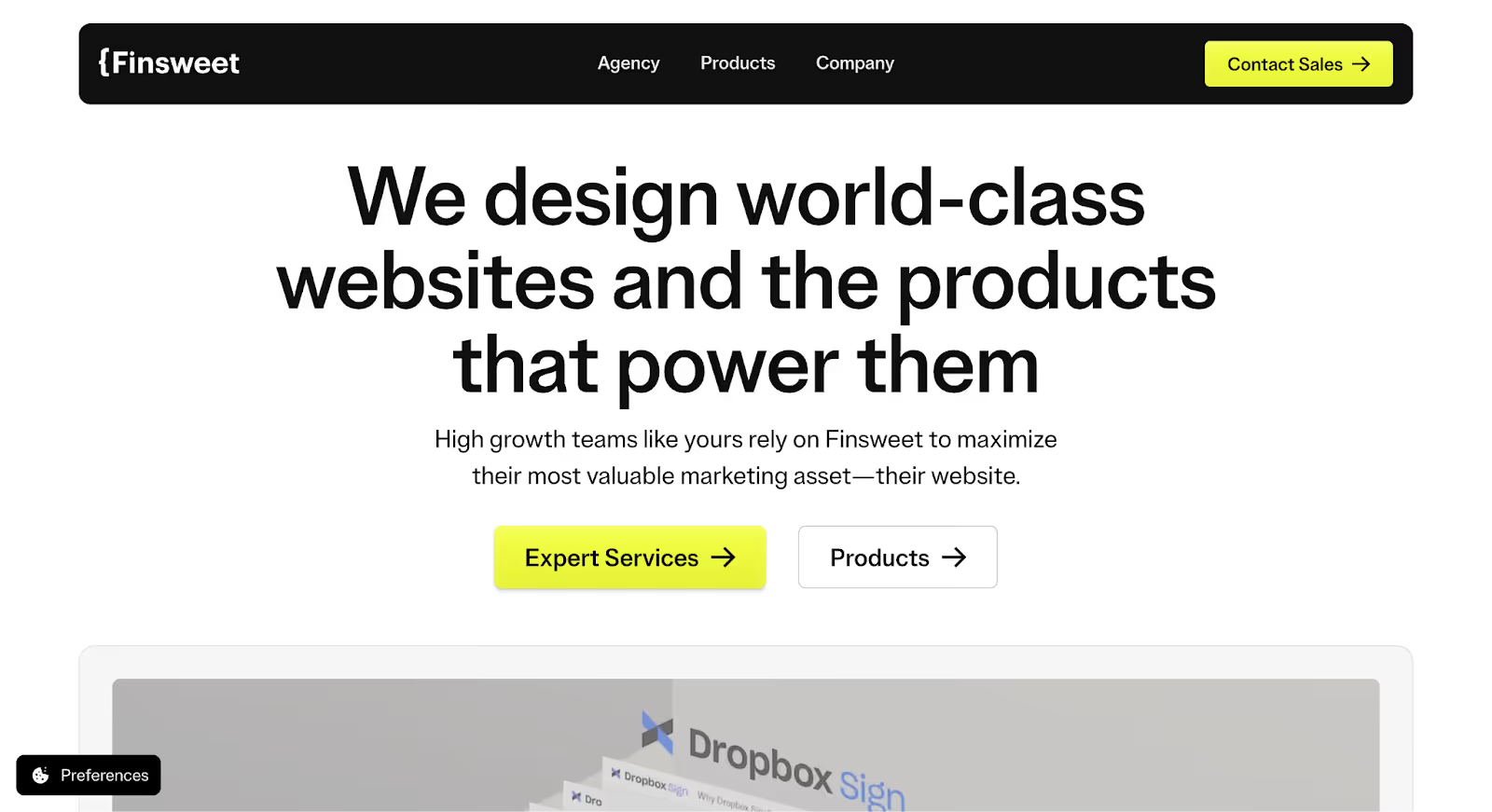
Finsweet is a Webflow-focused agency known for its advanced development capabilities and deep technical expertise within the Webflow ecosystem. They specialize in building scalable, custom Webflow solutions for companies with complex product and content requirements.
For cybersecurity companies, this becomes especially important when the website needs to handle detailed documentation, feature comparisons, or large knowledge bases. Security platforms often require more than standard marketing pages, and Finsweet’s approach is built around supporting that level of technical depth.
Their strength lies in creating advanced CMS architectures and custom functionality that allow teams to manage large volumes of structured content. This includes documentation hubs, resource libraries, and dynamic systems that keep complex product information organized and accessible.
As a result, Finsweet is a strong fit for cybersecurity companies that need their website to support technical complexity and scalability, rather than just surface-level marketing pages.
Best for
- Cybersecurity platforms with complex technical products
- Companies needing advanced CMS systems for documentation and resources
- Teams requiring custom Webflow functionality or integrations
5. Refokus
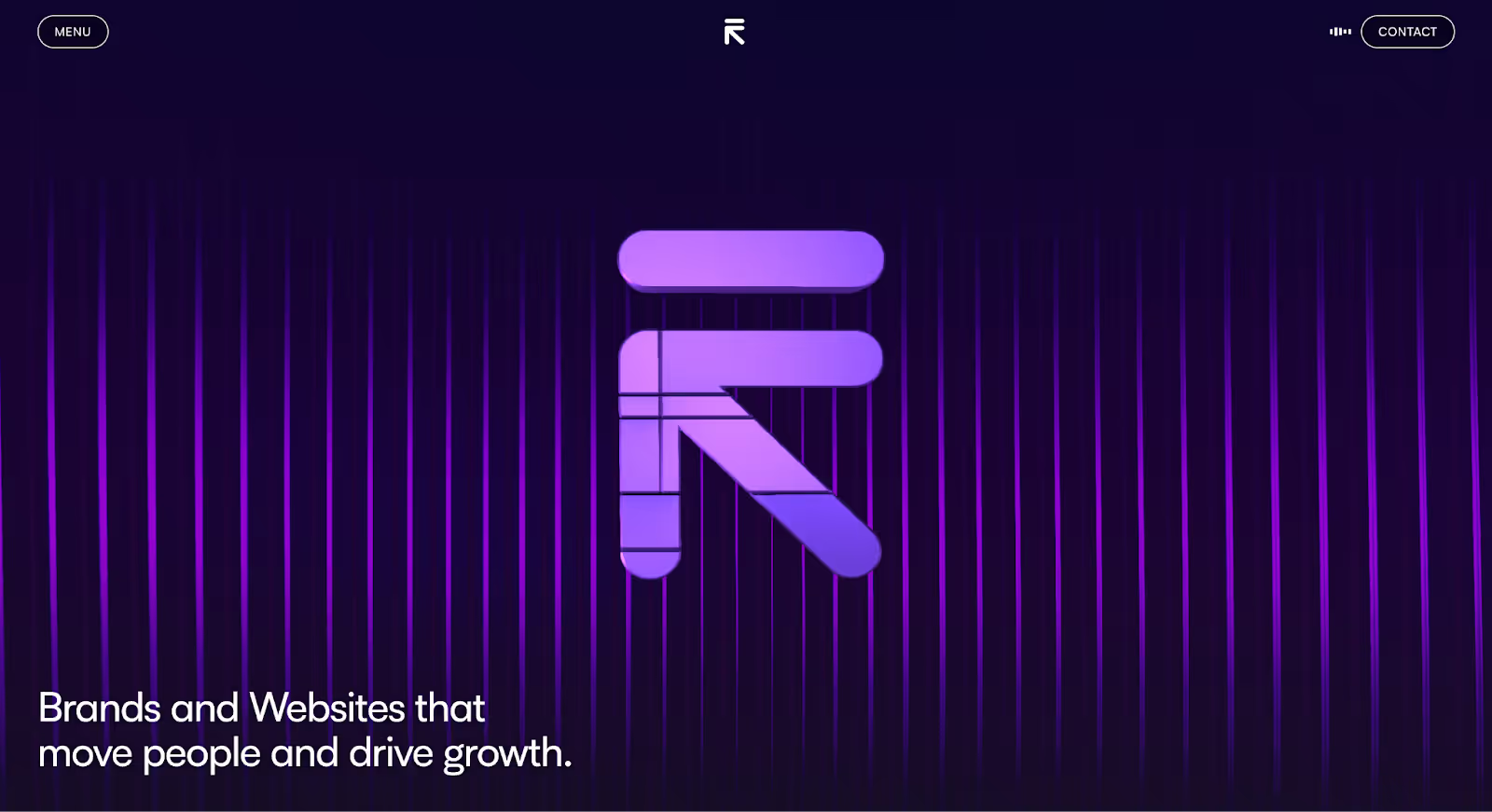
Refokus is a design studio that works with modern tech and digital-first companies to create visually distinctive, high-impact websites. Their work is known for combining strong visual identity with motion design to create memorable brand experiences.
For cybersecurity companies, this can be especially valuable in crowded markets where many websites look similar. Refokus helps brands stand out by moving away from traditional “cybersecurity” design patterns and creating unique, design-forward experiences that feel modern and differentiated.
Their approach is rooted in visual storytelling and interaction design, using animation, typography, and layout to create engaging user experiences. This can help position a cybersecurity company as innovative and forward-thinking, particularly for newer entrants.
However, because Refokus takes a design-led approach, the focus is often on aesthetic impact over strict conversion structure, which may not suit companies prioritizing performance-driven websites.
Best for
- Security startups wanting a visually distinctive brand
- Companies competing in crowded cybersecurity categories
- Teams that want motion design and modern visual storytelling
6. Ramotion
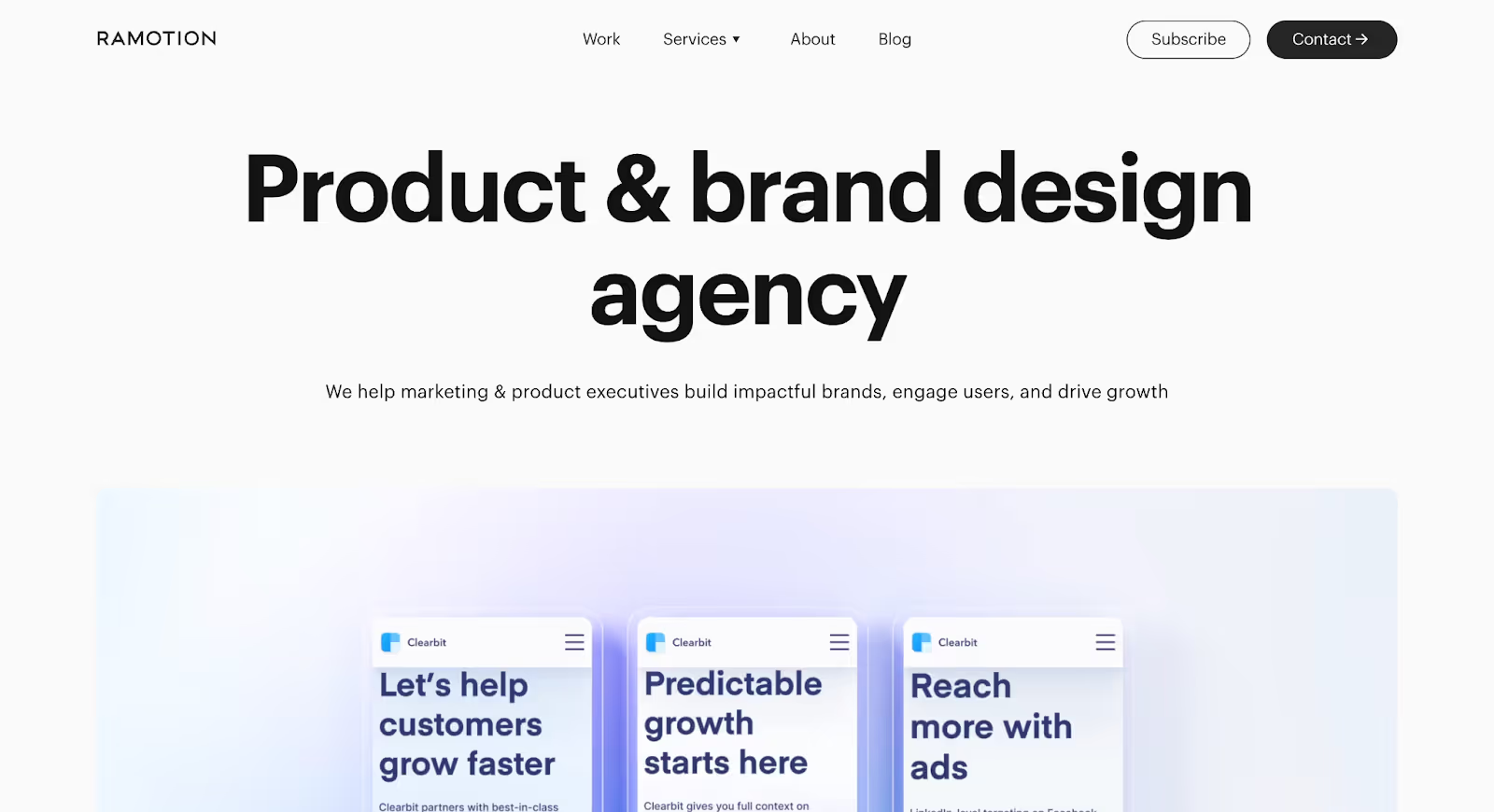
Ramotion is a design agency that works with tech startups and digital products to build brand identity, UI/UX systems, and marketing websites. Their work typically spans across branding and web, helping companies create a cohesive visual and communication foundation.
For cybersecurity companies, this is especially useful at an early stage when both the brand and website are still being defined. Instead of treating the website as a standalone deliverable, Ramotion builds it as an extension of the overall brand system: aligning identity, messaging, and digital experience.
Their approach focuses on creating consistent design systems that carry across the website, product interfaces, and marketing materials. This helps cybersecurity companies present a unified and professional image as they go to market.
As a result, Ramotion is a strong fit for teams that want to build a recognizable brand alongside their website, rather than just redesign an existing site.
Best for
- Early-stage cybersecurity startups defining their brand and website together
- Tech companies prioritizing strong brand identity and design systems
- Teams launching a new product or repositioning their brand
What separates good cybersecurity websites from bad ones
Cybersecurity websites often fail for the same reason: they focus on sounding technical instead of helping buyers quickly understand the product. Security buyers don’t just evaluate features: they evaluate credibility, clarity, and whether the company truly understands their environment. The best cybersecurity websites follow a few consistent principles that make complex products easier to evaluate.
1. Messaging explains the threat clearly within seconds
When a visitor lands on a cybersecurity homepage, they should immediately understand what the product protects against. Vague phrases like “AI-powered security platform” or “next-generation cyber protection” create confusion rather than credibility.
Strong security websites clearly state the problem they solve, for example protecting cloud workloads, preventing identity-based attacks, or detecting insider threats. If buyers can’t understand the core threat model within a few seconds, they often leave.
2. Trust signals appear near conversion points
Security buyers are constantly evaluating credibility. Certifications, compliance badges, customer logos, and case studies shouldn’t be hidden on a single “Trust” page.
Instead, the strongest cybersecurity websites place these signals next to important decision points: product pages, demo requests, and pricing conversations. Seeing recognizable companies, compliance standards, or real deployment stories at the moment of evaluation reinforces trust.
3. The product is visible, not abstract
One of the fastest ways to lose a cybersecurity buyer is by never showing the actual product. Security teams want to understand what the interface looks like and how the platform works.
That’s why strong cybersecurity websites include:
- Product screenshots
- Short demo videos
- Architecture diagrams
- Workflow explanations
These elements help technical buyers visualize how the tool fits into their environment.
4. Navigation reflects different security roles
Cybersecurity purchasing rarely involves a single decision-maker. A typical evaluation might involve CISOs, security engineers, SecOps teams, and IT administrators, each with different concerns.
Effective cybersecurity websites acknowledge this by structuring navigation around different buyer personas or use cases. This helps visitors quickly find the information most relevant to their role, making the evaluation process faster and more intuitive.
Final thoughts
Choosing the right web design agency matters more for cybersecurity companies than it does in many other software categories. Security buyers are naturally skeptical, products are technically complex, and sales cycles often involve multiple stakeholders which means the website has to do more than just look polished. It needs to clearly explain the threat landscape, demonstrate credibility, and help buyers quickly understand how the product fits into their security stack.
The agencies in this guide stand out because they approach cybersecurity websites with different but valuable strengths. Some focus on enterprise SaaS messaging and conversion structure, others specialize in technical Webflow builds or strong brand identity, and a few excel at growth-focused performance optimization. The right choice ultimately depends on what your company needs most: clearer positioning, stronger brand credibility, better conversion performance, or scalable CMS infrastructure.
The most effective cybersecurity websites share one common trait: they make complex products easier to understand without sacrificing technical credibility. When messaging is clear, trust signals are placed strategically, and the product experience is visible, the website becomes more than a marketing asset, it becomes a tool that supports sales, builds trust with security buyers, and helps the company compete in an increasingly crowded market.
Frequently Asked Questions
A strong cybersecurity website explains what the product protects against, how it works, and why buyers should trust the company quickly. The best sites combine clear messaging, trust signals like certifications and logos, and product visibility through demos or screenshots.
Webflow allows marketing teams to publish and update content quickly without relying on developers. It also supports structured CMS systems for blogs, reports, and research hubs.
Most cybersecurity SaaS websites range from $30,000 to $120,000+, depending on scope, messaging strategy, design, development, and CMS requirements.
Key pages include homepage, product pages, use case pages, case studies, and resource hubs. These help buyers evaluate both the product and the company.
Trust is built through compliance certifications, customer logos, analyst mentions, and real case studies. Showing product interfaces through demos also helps.
Common triggers include funding rounds, new product launches, repositioning, or moving toward enterprise customers.
Most projects take 6–12 weeks, depending on complexity and number of pages.